
Stigma and Society
How we see mental illnessRecovery is real
Real voices of people living well with a mental health condition: what recovery actually means, the evidence that most people improve with the right support, what helped them, and how to see the person and not the label.
Listen to the people living it
Recovery is real, and it is common. Many people who live with a mental health condition work and study. They raise children, marry, and keep friendships. They give a lot to their families and their neighbourhoods. Their lives are far bigger than the condition they carry.
The easiest way to believe recovery is possible is to meet someone who is living it. Not a hero in a poster. Just an ordinary person getting on with an ordinary life, who also happens to live with a condition. So before any facts, here are a few real kinds of lives, in plain words.
I am back at my desk. Some weeks are harder than others, and I have learned to notice the harder ones early. But I do my work, I am good at it, and most days you would never know.
There is the man who went quiet for a year. Then he slowly returned to his shop, and now serves his customers as he always did. There is the young woman who finished her studies after a long pause. She is now the first one in her family to hold a degree. There is the mother who, with help, came back to her children and her kitchen, one ordinary morning at a time. None of them were cured into a different person. They got the right help, and they got their lives back.
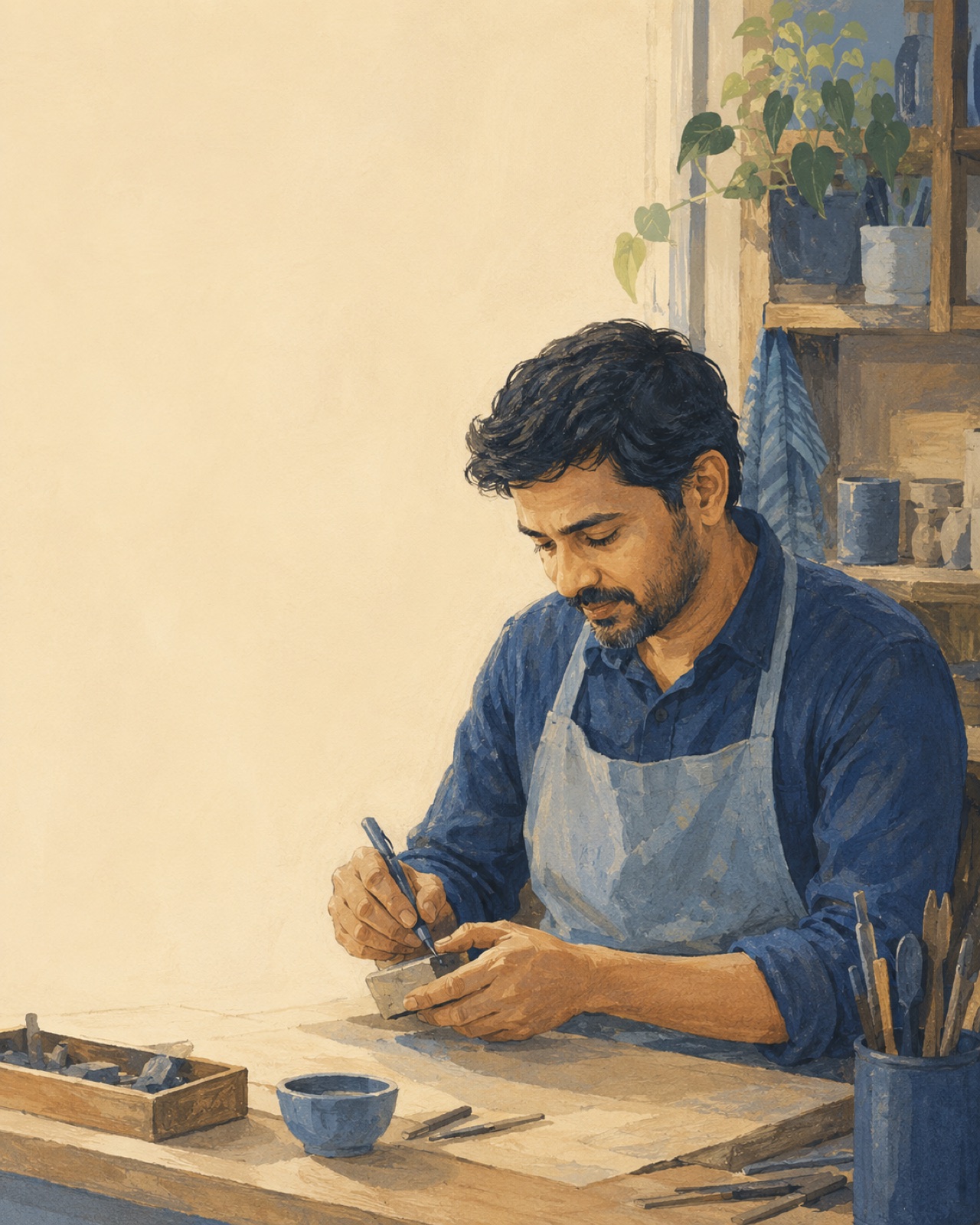
Work is where many people quietly rebuild a sense of themselves. A job does not fix a condition. But being useful, having somewhere to be, and being trusted to do a thing well all give the day a shape. People hold all kinds of jobs while managing a condition. Often, no one around them ever knows. The condition is one part of their life. It is not the whole of who they are.

Living with a condition does not stop someone from being a good parent, a steady partner, or the person a family leans on. Many people raise children, share a marriage and hold a home together while also managing their mental health. They do it in just the same way that families manage diabetes or a heart condition: with care, with support, and without it being a secret to be ashamed of.
Recovery is a direction, not a finish line
Recovery does not have to mean a full cure, or every symptom gone forever. For most people it means building a hopeful life with meaning, one they steer themselves, while managing a condition. It grows over time. It is not a single bright morning you wake up to.
People often hear the word recovery and picture a cure: the condition goes away, and life returns exactly as it was before. For a few people it can look like that. For most, it means something steadier and more real. It means living well with a condition, the way many people live well with asthma or with a long-term physical illness.
Researchers listened to many people describe what recovery felt like. The same threads came up again and again. Feeling connected to others. Holding on to hope. Having a sense of who you are beyond the condition. Finding meaning and purpose. And feeling some control over your own life. Recovery is a direction you travel, not a line you cross once and are done.
- Feeling connected: people around you, not facing it alone.
- Holding on to hope, even on the flat days.
- Being yourself again: more than the condition, a whole person.
- Meaning and a sense of control over your own life.
More, if you want it
This is why "are you fully cured yet" is the wrong question to chase. A person can still have a hard week. They can still notice the old signs returning, and still be firmly in recovery. Recovery is about the shape of the whole life, not the absence of every symptom on every day. Measuring it by symptoms alone misses the point. The better question is: is the person living a life that means something to them.
Most people get better
Recovery is the rule, not the rare exception. Treatment that works exists for the common mental health conditions. With the right support, most people get better. And one of the strongest ways to change how a community sees these conditions is simply to meet people who live with them.
It is worth saying plainly, because shame makes families forget it: treatment that works exists for the common mental health conditions. Talking therapies, family and social support, learning about the condition, and help to rebuild daily life. For some people, medicine chosen with a doctor. With the right support, most people get better. That is why recovery is best understood as the expected direction of travel, not a lucky exception.
There is a second, quieter finding that matters just as much. Meeting and hearing from people who live well with a condition is one of the strongest things that changes minds. When people actually meet someone living with a condition, their fear softens. Their wish to keep a distance shrinks. Of all the ways to lower stigma, simple human contact does the most, at least in the near term.
- Hearing real stories from people who live with a condition.
- Meeting someone in person, as an equal, not a case.
- Less fear, and less wish to keep a distance.
- Treatment that works, so the recovery people see is real.
More, if you want it
This is the deeper reason a guide like this one leads with voices, not a lecture. Information alone rarely shifts a deeply held fear. A face, a name and an ordinary story do far more. It is much harder to be afraid of a person you have actually met than of a label you have only heard whispered. If you live with a condition, your own ordinary life does this work for everyone around you. You only need to live it openly, where you safely can.
What helped them
When you ask people what turned things around, the answers rhyme. Good treatment. People who stayed. A sense of purpose, something to get up for. And time, more than anyone wants, but it does its work. No single one of these does it on its own.

Ask many people what helped them recover and you hear the same four things, in different words. First, good treatment that fit them. They were treated with dignity, and given a real say in their own care. Second, people who stayed: a family member, a friend, sometimes one person who simply did not give up on them. Third, a sense of purpose. Work, study, faith, caring for someone, anything that made the day worth starting. And fourth, time. Recovery is rarely fast, and the slowness is not failure. It is how it works.
More, if you want it
Notice what is missing from that list: being lectured, being shamed, or being told to simply try harder. None of those helped anyone. What helped was being taken seriously. It was being included in decisions, instead of having decisions made about them. It was being treated as a partner in their own care, not a problem to be managed. People with lived experience are the authors of their own recovery, not the passive subjects of it.
- Good treatment, with dignity and a real say in your care.
- People who stayed: family, a friend, someone who did not give up.
- A sense of purpose, something that makes the day worth starting.
- Time, more than anyone wants, but it does its work.
Remember
No one ingredient does it alone. Treatment without people is lonely. People without purpose can feel lost. And all of it needs time. Recovery is these four working together, slowly, with the flat weeks counted in, not held against you.
See the person, not the label
Whether it is you living with a condition, or someone you love, your part is much the same. Hold on to hope. See the person and not the label. Treat them with respect, and a real voice in their own care. And reach out for help early, because it works.
If it is you: please hold on to hope. The shame around these conditions is loud, and it lies. You are not your condition. You are a whole person who is managing one part of life. The lives in this guide are not exceptions. They are ordinary. Reaching out early gives you the best chance: to a doctor, a counsellor or a trusted person. You do not have to wait until things are unbearable to deserve help.
If it is someone you love: the single most useful thing you can do is to keep seeing the person you have always known. See the person, not the label, and treat them as you always have. Listen without rushing to fix. Include them in decisions, rather than deciding for them. And remember the evidence above: simply staying close, as an equal, is one of the most powerful things you can offer.
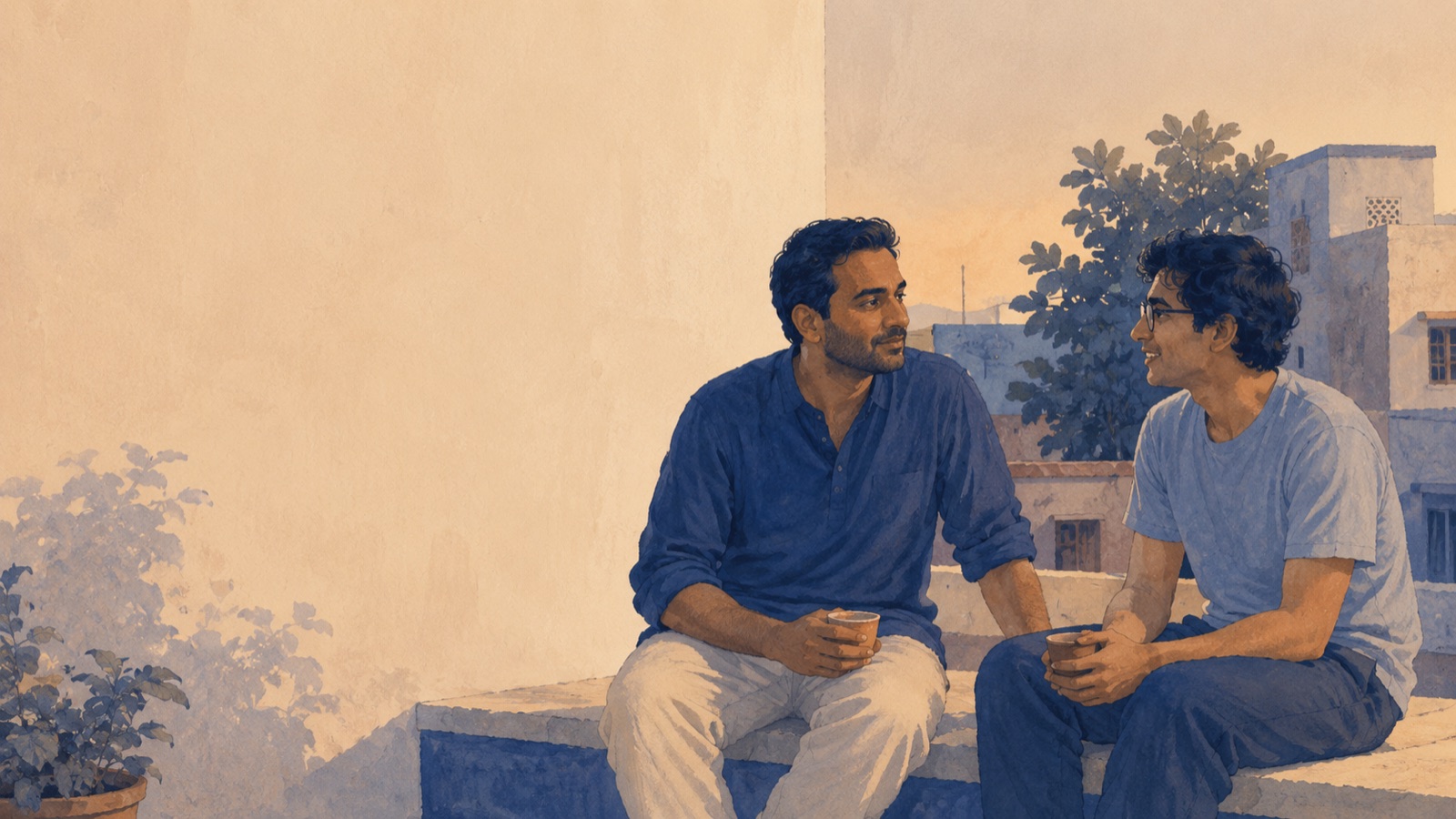
Contact is what changes minds. Behind every condition there is a whole person, and the surest way to remember that is to keep standing beside them.
If the days ever turn dark
Recovery is rarely a straight line, and a hard stretch is part of the road, not the end of it. But you, or someone you love, may ever have thoughts that life is not worth living. Please treat that as a reason to reach out now, not to push through alone. You can call Tele-MANAS, the free national helpline, on 14416, any time, day or night. The crisis card linked below has more people you can reach.
Recovery is the rule
If you remember one thing, let it be this: people get better, and they live full lives with a condition. Recovery is the rule, not the rare exception. Hold on to hope, see the person, and reach out early. Help is real, and it works.
The condition that feels, today, like it has taken everything is one chapter, not the whole book. Most people who get help do get better. They go on to work, to love, to raise families and to matter to the people around them, with a condition that no longer runs the show. Where families once carried all of this in silence, the silence is the old shame talking, not the truth.
Ending that shame, so that people can ask for help with dignity, is now seen the world over as something worth doing. You can be part of it in the smallest, most ordinary way. Hold on to hope. Reach out early. And see the person, never only the label. Free national support is always there in India through the Tele-MANAS helpline on 14416, day or night.
Where this comes from
This guide helps you recognise and understand. It is not a diagnosis. For that, see a professional.